Business Planning: Build a Living Roadmap for Aligned Execution
Business planning is the operating process behind the plan
Strategic planning defines an organization’s direction, priorities, and actions; a business plan can record the resulting decisions and progress measures. A document may record the decisions, but the process gives those decisions a practical place in daily work.
At MAP Consulting, we view a business plan as a company roadmap that can support course correction when necessary. That view separates a useful plan from a document that is approved once and then set aside. A roadmap should help you make choices when priorities compete, explain why a project matters, and show what needs attention when conditions or results change.
The operating process has a repeating shape: establish direction, select priorities, assign work, observe measures, and revise decisions. This sequence matters because the plan is not the work itself. The sequence makes review part of execution. Strategic planning defines direction, priorities, and actions; monitoring keeps execution connected to those choices after approval. Use the sequence to turn planning from a document exercise into a management conversation that can be revisited.
A practical plan should help you answer these questions without opening a second set of notes:
- What direction are we pursuing?
- Which priorities deserve attention before other work?
- Who owns each commitment?
- What resources and decisions does the work require?
- Which measures will show movement or concern?
- When will we review the assumptions and adjust the plan?
If your plan cannot support those conversations, treat that gap as a planning problem rather than a formatting problem. The goal is not a longer document. The goal is a usable link between organizational intent and coordinated execution.
Separate long-term direction from the operating roadmap
Long-term direction describes where the organization is going and the broad logic for getting there. In the cited portfolio-management framework, the board establishes the organization’s vision, mission, strategic goals, and expectations for how those goals will be achieved. The direction should remain clear enough to guide choices even when individual projects change.
An operating roadmap turns direction into a sequence of decisions and responsibilities. Use four levels to keep the relationship visible:
- Direction: the purpose, future state, and strategic issues that shape the organization’s choices.
- Priorities: the areas of work that deserve focused attention and resources during the planning period.
- Actions: the work, decisions, and dependencies required to advance each priority.
- Review: the measures and conversations that show whether the plan still fits the organization’s conditions.
This structure keeps a long-term aspiration from becoming a list of disconnected projects. It also gives you a way to explain how a department’s work relates to an organization-wide goal.
A static plan records intentions at a point in time. An operating roadmap also records how you will make decisions when circumstances, information, or results change. That difference affects how you use the document: consult it when setting priorities, connect new work to an existing objective, and reopen a decision when a material assumption no longer holds. Approval is a starting condition, not the end of the planning work.
An action plan is narrower than the full roadmap. An action plan focuses on the tasks, resources, and timelines needed to pursue a specific goal or milestone, while a basic to-do list may leave dependencies and responsibilities unstated. Use the broader roadmap to decide what matters, then use action plans to organize the work that follows from those choices.
Start with purpose, vision, and the decisions that matter
Purpose, values, and vision give the planning process a foundation for making choices. A planning process can examine the organization’s purpose, values, future vision, competitive advantages, organization-wide strategies, and strategic issues that require attention. At the enterprise level, those elements help you distinguish a decision that advances the organization’s direction from a decision that simply adds activity.
Strategic decisions become more usable when you state the question behind each choice. Work through this sequence:
- Purpose: What does the organization exist to accomplish, and for whom?
- Future vision: What future state are you trying to create?
- Strengths and advantages: Which capabilities or conditions should shape your choices?
- Strategic issues: Which problems, tensions, or opportunities require leadership attention?
- Choice: What will you prioritize, and what will receive less attention for now?
The sequence is useful because it moves from meaning to judgment. It keeps priorities from being selected only because they are visible, urgent, or sponsored by the loudest voice in the room.
A direction statement should be short enough to guide a meeting and specific enough to shape a decision. Write one sentence describing the direction, then list the conditions that would show the organization is moving toward it. Avoid turning the statement into a promise about revenue, profitability, funding, or growth. Use it as a decision filter, not as a forecast.
A decision filter turns broad direction into a usable test. Before adding a major initiative, ask whether it advances the stated purpose, supports the chosen future state, addresses a named strategic issue, and requires resources the organization can deliberately assign. If the connection is weak, pause before treating the initiative as a priority. Clarify the issue first or place the proposal on the deferred list.
Choose a vital few priorities instead of listing everything
Priorities convert direction into a manageable field of attention. Clear objectives help guide decisions, align work around shared outcomes, prioritize effort, and make progress easier to track. Strategic alignment then connects the organization’s mission, vision, and objectives to work across teams and departments. Your task is to choose the vital few areas that deserve coordinated effort rather than label every active project a priority.
A priority filter gives you a disciplined way to sort competing requests. Test each proposed priority against these questions:
- Does the priority directly support the stated direction?
- What organizational outcome does it address?
- Which other work depends on it or competes with it?
- What resources must be assigned for the priority to be credible?
- What decision will become easier if this priority is clear?
Keep a rejected or deferred list as well as an approved list. That record makes tradeoffs visible and reduces the temptation to add new work without reconsidering existing commitments.
Prioritization requires a boundary. If two initiatives depend on the same people, funds, information, or leadership attention, name the conflict instead of allowing both to proceed as if resources were unlimited. Decide which objective has precedence, what work will wait, and who can revisit that choice. Clear objectives and visible links between daily activity and organizational priorities make those tradeoffs easier to discuss.
SMART objectives can provide clarity and focus while helping teams prioritize work and track progress. Use that structure when a priority needs a defined result, measure, timeframe, or owner. Do not force every strategic question into a narrow metric; some decisions first require clarification of the issue, the available choices, and the resources involved.
Translate each priority into accountable action
Accountable action connects a priority to work that someone can organize and discuss. An action plan focuses on the tasks, resources, and timelines needed for a specific goal or milestone, and a structured plan can make dependencies and responsibilities explicit. Translate each priority into a small set of commitments rather than leaving the team with an abstract intention.
An action record should name the commitment before it names the activity. Use this format:
- Priority: the organizational focus this work supports.
- Outcome or milestone: the result or decision the action is meant to advance.
- Action: the concrete work required next.
- Owner: the role responsible for coordinating follow-through.
- Dependencies: people, information, approvals, or resources required first.
- Timing: the target point for completion or review.
- Measure: the signal that will show status or prompt a conversation.
- Escalation point: the condition that requires a decision beyond the owner’s authority.
The immediate use is straightforward: bring the record into the planning conversation, test whether the commitment is feasible, and revise it until ownership and dependencies are visible.
A broad goal such as improving cross-functional handoffs is not yet an action. A usable translation might identify the handoff to map, the role responsible for coordinating the work, the teams whose input is required, the decision or milestone that marks progress, and the date for review. The example does not predict an outcome; it shows how to move from a broad goal to a commitment that can be discussed.
An owner coordinates follow-through; that does not mean the owner completes every task personally. Name the people or teams who contribute, identify the dependency each contribution creates, and state which decision remains with the owner. This distinction prevents accountability from becoming either vague or concentrated in one executive. It also gives the team a practical path for discussing blocked work.
Assign ownership to initiatives and measures, then give each owner a clear path for raising a deviation or blocked dependency. A plan becomes more actionable when people can see how their role contributes to a shared goal.
Use measures and shared visibility to align execution
Measures connect planned direction to observable progress. Strategic planning helps leaders set goals, allocate resources, and measure progress against mission and vision, while clear objectives make progress easier to track. Select measures that help you decide whether to continue, adjust, add resources, or escalate an issue. A measure is useful when it informs a conversation, not merely when it fills a report.
Shared visibility links daily activity to organizational priorities. The strategy-monitoring framework emphasizes visible strategy, assigned ownership, current data, regular KPI reviews, early identification of deviations, clear escalation, and review meetings based on live information. Use those ideas to create one shared view of the plan rather than separate status stories for each department.
A planning review view should place these fields together:
- Priority and related objective
- Owner and participating teams
- Current measure or status
- Recent change or deviation
- Dependency or decision required
- Next action and review point
The view is a practical aid for discussion. It does not need to contain every operational detail. It needs to make the relationship between direction, work, ownership, and decisions easy to follow.
Test each measure before you place it in the review view. Ask what decision it informs, which objective it represents, who can act on the signal, and what conversation should follow a change. If nobody knows what to do with the information, the measure may be descriptive without being useful for execution. Connect it to an owner and a decision path.
Make review and adjustment part of the plan
Review is part of execution, not a ceremony after execution. A plan should not be treated as finished when it is approved; regular monitoring helps keep execution connected to strategy. Review the assumptions, measures, ownership, dependencies, and decisions that support each priority. If a material condition changes, revisit the related choice instead of asking the team to follow an outdated instruction.
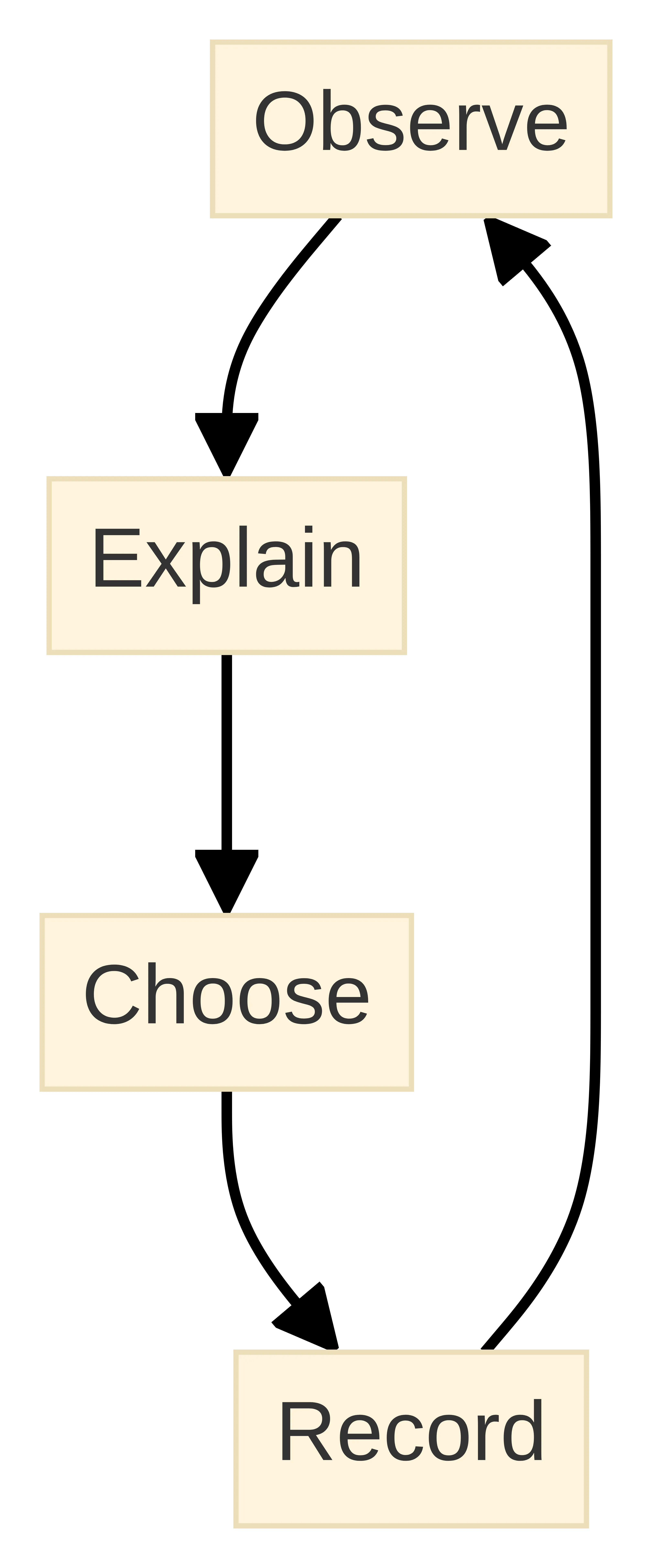
A practical review loop has four moves:
- Observe: Compare current information with the objective and the expected direction.
- Explain: Identify the deviation, dependency, assumption, or decision behind the result.
- Choose: Continue the commitment, change the action, reassign resources, or escalate the decision.
- Record: Update the owner, timing, measure, or priority so the plan reflects the decision.
Regular KPI reviews, early identification of deviations, clear escalation, and assigned ownership support this kind of operating conversation. The loop keeps the plan connected to what the organization is learning.
At MAP Consulting, we recommend including potential roadblocks in stability-plan scenarios. Use that practice when uncertainty could change the sequence, resources, or responsibilities attached to a priority. Name the roadblock, the signal that would indicate it is emerging, the person who will monitor it, and the decision that follows. Scenario planning should clarify choices; it should not pretend to predict every event.
Course correction is a normal use of a roadmap. When a result, assumption, or operating condition changes, preserve the organization’s direction where it still fits and revise the action path where it does not. Record the reason for the change so teams understand whether the decision reflects new information, a changed priority, or a resource constraint.
Run the executive planning test and take the next step
An executive planning test should reveal whether direction can travel into coordinated work. Ask these questions:
- Can you state the organization’s direction and the choices that support it?
- Are the current priorities connected to that direction?
- Does each priority have an accountable owner, required resources, and visible dependencies?
- Can teams identify the actions and milestones that move the priority forward?
- Do the selected measures support a useful decision?
- Is there a defined review point for changing the plan when assumptions or results change?
If the answer to any question is unclear, start there. Clarify one decision, assign one owner, define one measure, and put one review point on the calendar. A practical roadmap grows stronger through repeated decisions and adjustments, not through added pages.
Your next planning conversation should leave you with a direction statement, a short priority list, accountable actions, visible measures, and a scheduled review. For decisions that depend on your organization’s legal, tax, financial, or other professional circumstances, consult a qualified professional who can assess those circumstances.
What should an executive verify before putting a business plan into action?
What is the difference between business planning and a static business plan?
Business planning is an ongoing process that defines an organization’s direction, priorities, and actions, while a static business plan is a document that records these decisions at a specific point in time.
How can I ensure my business plan aligns with organizational goals?
To align your business plan with organizational goals, clearly define your purpose, vision, and strategic objectives. Use these elements to guide your planning process, ensuring that each priority and action supports the overall direction of the organization.
What are the core elements of a practical business planning process?
A practical business planning process includes defining direction, setting priorities, assigning responsibilities, establishing measures for success, and scheduling regular reviews to adjust the plan as needed.
What steps should I take to translate broad goals into actionable priorities?
To translate broad goals into actionable priorities, identify specific objectives that support the overall direction, assign accountable owners for each priority, and define clear actions, resources, and measures for tracking progress.
How can I create accountability within my business planning process?
Create accountability by assigning ownership to each priority and action, ensuring that responsibilities are clear and that there are defined measures and review points to track progress and address any deviations.
